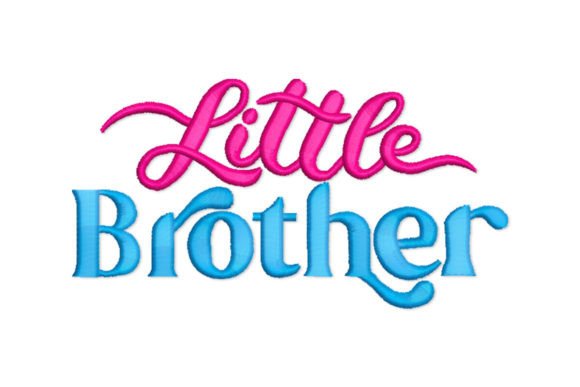
Little Brother Embroidery Design
The Little Brother embroidery design is a charming and versatile addition to any craft fair product lineup. Its whimsical fonts and playful motifs make it an instant favorite for baby clothing, but its appeal extends far beyond the nursery. As an experienced embroidery designer, I’ve evaluated this design in various contexts—tote bags, aprons, tea towels, and more—and found it to be both visually engaging and commercially viable.
First Impressions of Little Brother
From the first glance, Little Brother exudes a soft, cute, and slightly whimsical vibe. The design feels like a warm hug, perfect for celebrating the youngest member of the family. It has a modern yet nostalgic feel, blending playful elements with a touch of farmhouse charm. This duality makes it adaptable to a wide range of styles, from minimalist to decorative.
Where Little Brother Shines
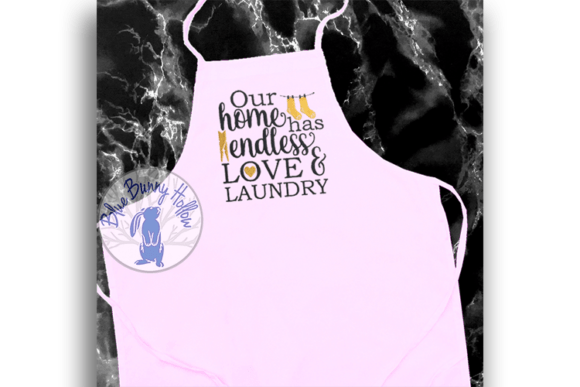
At a craft fair, Little Brother stands out on products that catch the eye at a distance. Tote bag designs with this motif draw attention immediately, especially when paired with bold thread colors. Apron embroidery and tea towel embroidery featuring Little Brother create a cohesive look that appeals to parents looking for personalized gifts. The design also works well as an embroidered patch, adding a subtle yet meaningful detail to caps, fabric pouches, and market bags.
On pillow covers and handmade gifts, Little Brother adds a personal touch that resonates with customers. For Etsy sellers and small shop products, it’s a strong contender for listings that emphasize handmade quality and emotional value. As a printable mockup, it provides clear visual assets that help buyers envision the finished product before purchasing.
Practical Selling and Production Considerations
Little Brother is easy to understand at a glance, making it ideal for fast decision-making at a booth. It can be used as a small accent or a large focal point, depending on the product. On tote bags and aprons, it looks great in larger sizes, while on caps and patches, it maintains clarity without becoming too busy.
For online listings, the design photographs well, especially when using contrasting thread colors. It also holds up well in commercial embroidery projects, where consistency and repeatability are key. However, it’s important to test the machine embroidery design on different fabrics to ensure it performs as expected.
Careful-Use Notes
When working with Little Brother, be mindful of dense stitch areas and tiny details. These can cause issues on thick fabric or textured towels. On curved cap surfaces, the design may require slight adjustments to maintain its shape. Dark fabric can also affect the visibility of smaller lettering, so testing with multiple thread colors is recommended.
At smaller sizes, the design may lose some clarity, so it’s best to avoid using it in very tight spaces. For best results, use the right stabilizer and confirm the hoop size needed for your project. Always review spacing and stitch density to ensure a clean, professional finish.
Impact on Visual Appeal and Customer Engagement
Little Brother enhances the visual appeal of any product it’s applied to. Its playful nature draws customer attention, making it a strong performer at a booth. It adds value to handmade products by offering a unique, personalized element that customers can connect with emotionally.
As a Family Quotes design, it aligns well with brand consistency for shops focused on sentimental and familial themes. It also supports buyer engagement by offering a design that feels both meaningful and stylish. For creative entrepreneurs, it’s a reliable choice that balances aesthetics with practicality.
Embroidery Designer Notes
Before finalizing any production, I recommend testing the embroidery file on scrap fabric to see how it looks in real life. Check thread colors against the fabric texture to ensure visibility and contrast. Review the spacing between elements to prevent overcrowding, and confirm the hoop size required for your machine.
Inspect the stitch density to avoid puckering or distortion, especially on delicate materials. Use the appropriate stabilizer for each fabric type, and create at least one real mockup to see how the design translates to a finished product. Compare fabric colors to ensure the design looks its best in different lighting conditions.
Finally, always confirm the commercial licensing terms before selling finished products. Even though Little Brother is described as a delightful addition to baby clothing and nurseries, specific terms may vary depending on the seller or platform.
Conclusion: A Winning Design for Craft Fair Sellers
Little Brother is a standout embroidery design that offers both aesthetic appeal and practical benefits for craft fair sellers and handmade product creators. Its versatility across various items, ease of use, and emotional resonance make it a valuable asset for any embroidery business. Whether you’re an Etsy seller, Cricut crafter, or boutique maker, this design has the potential to become a bestseller in your collection.